Costs of Starting a Business in the UK as an Expat Explained sets the stage for this enthralling narrative, offering readers a glimpse into a story that is rich in detail with interactive religious dialogue style and brimming with originality from the outset.
In this comprehensive guide, we delve into the various aspects expats need to consider when starting a business in the UK, shedding light on costs, legal requirements, tax implications, and funding options.
Costs Overview

Starting a business in the UK as an expat comes with its own set of financial considerations. Here, we will break down the typical costs involved, compare initial setup costs to ongoing operational expenses, and identify any unique expenses that expats might encounter compared to local entrepreneurs.
Initial Setup Costs
When starting a business in the UK as an expat, there are several initial setup costs to consider. These may include:
- Registration fees with Companies House
- Legal fees for setting up the business structure
- Rent for office space or coworking facilities
- Purchase of equipment and inventory
- Marketing and branding expenses
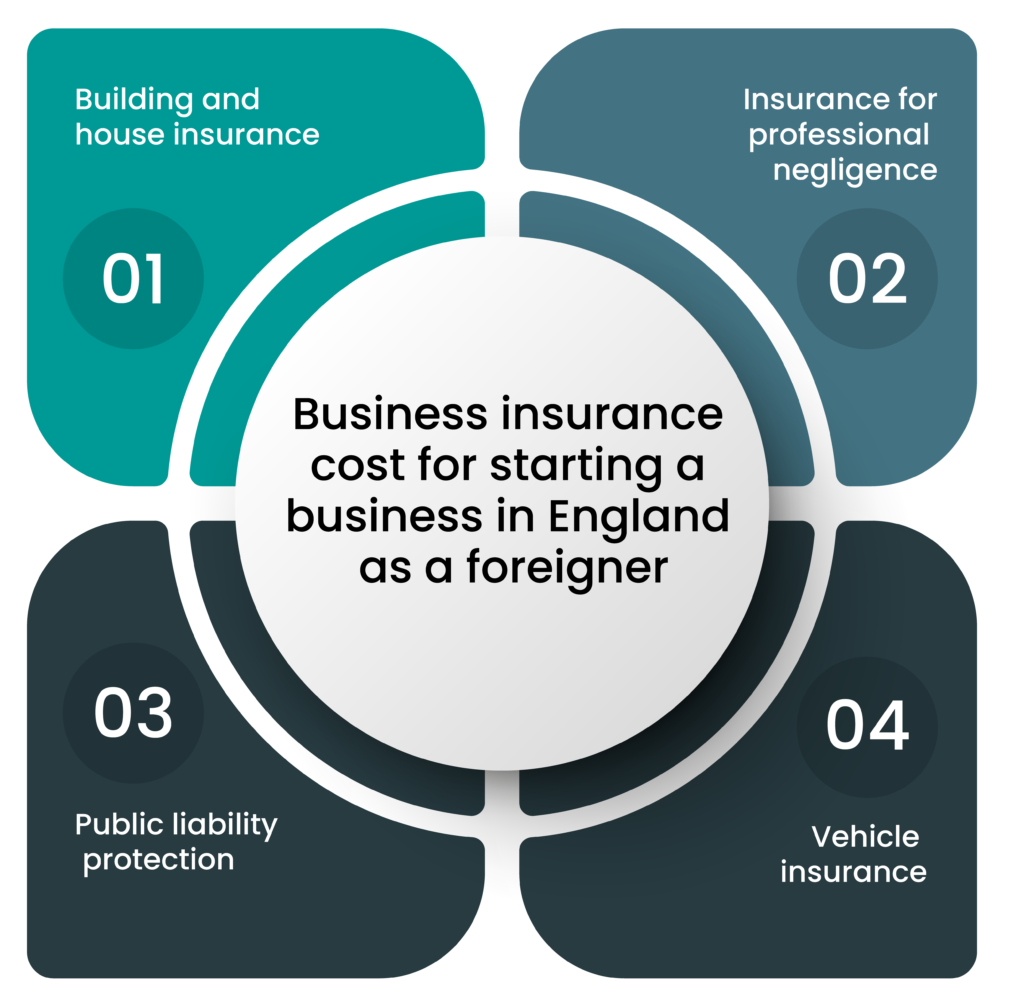
- Insurance costs
Ongoing Operational Expenses
Once the business is up and running, expat entrepreneurs will also need to factor in ongoing operational expenses, such as:
- Employee salaries and benefits
- Rent and utilities for the business premises
- Cost of raw materials or inventory replenishment
- Marketing and advertising costs
- Accounting and bookkeeping fees
- Technology and software subscriptions
Unique Expenses for Expats
Expats starting a business in the UK may encounter some unique expenses that local entrepreneurs might not face, including:
- Visa and work permit fees
- Relocation costs for moving to the UK
- International banking fees for managing finances across borders
- Cultural adaptation expenses for understanding the UK market
Legal Requirements: Costs Of Starting A Business In The UK As An Expat Explained
When starting a business in the UK as an expat, there are specific legal procedures and fees that need to be taken into consideration. Registering a business involves certain costs and requirements that differ for expats compared to UK residents.
Registration Procedures and Fees
To register a business in the UK, expats need to choose a business structure, such as a sole trader, partnership, or limited company. The fees for registering a business as an expat can vary depending on the structure chosen. For example, registering as a limited company typically incurs higher fees compared to being a sole trader.Expats may also need to appoint a company director and a registered office address in the UK.
These requirements come with additional costs, such as hiring a professional service to act as a director or providing a registered office address.
Permits and Licenses
Depending on the nature of the business, expats may need specific permits or licenses to operate legally in the UK. The costs associated with obtaining these permits or licenses can vary greatly, depending on the industry and regulatory requirements. For example, a restaurant business may require a food hygiene certificate, which incurs a separate fee.
Differences in Legal Costs, Costs of Starting a Business in the UK as an Expat Explained
One of the potential differences in legal costs for expats versus UK residents is the need for legal assistance in navigating the complex regulatory environment. Expats may require more legal support to ensure compliance with UK laws and regulations, which can lead to higher legal fees.In conclusion, understanding the legal requirements and associated costs of starting a business in the UK as an expat is essential for a smooth and successful establishment.
By being aware of the registration procedures, permits, licenses, and potential differences in legal costs, expats can better prepare for the financial aspects of setting up a business in a new country.
Tax Implications
When starting a business in the UK as an expat, it is crucial to understand the tax obligations that come with it. Expats need to consider various tax implications based on their business structure and income generated within the UK.
Tax Obligations for Expat Entrepreneurs
Expats setting up a business in the UK are required to register for taxes such as Income Tax, National Insurance contributions, and Value Added Tax (VAT) if applicable. They must also stay compliant with tax filing deadlines and keep accurate records of their financial transactions.
Tax Deductions and Incentives
Expat entrepreneurs may be eligible for tax deductions on business expenses such as office rent, utilities, travel costs, and professional fees. Additionally, there are tax incentives available for certain industries or regions to encourage business growth and investment.
Tax Implications for Different Business Structures
Sole Trader
As a sole trader, expats are personally liable for the business’s profits and losses. They pay Income Tax and National Insurance contributions based on their business income.
Limited Company
Expats operating as a limited company have separate legal status from their business. They pay Corporation Tax on the company’s profits, and as a director, they may receive a salary subject to Income Tax and National Insurance.It is essential for expat entrepreneurs to seek professional advice from tax advisors or accountants to ensure compliance with UK tax laws and optimize their tax obligations based on their specific business circumstances.
Funding Options
When it comes to starting a business in the UK as an expat, one of the key considerations is securing the necessary funding. There are various options available for funding, each with its own set of eligibility criteria and application processes.
In this section, we will explore the different funding sources that expats can tap into to kickstart their business ventures in the UK.
Government Grants and Loans
Government grants and loans can be a valuable source of funding for expats looking to start a business in the UK. These financial resources are typically aimed at supporting small businesses and promoting entrepreneurship. To access government grants or loans, expats will need to meet specific eligibility criteria set by the government.
This may include factors such as the nature of the business, its potential impact on the economy, and the residency status of the applicant. The application process for government funding can vary, but typically involves submitting a detailed business plan outlining the objectives, financial projections, and expected outcomes of the business.
Angel Investors
Angel investors are individuals who provide financial backing to startups in exchange for equity in the company. This funding option can be attractive for expats as it not only provides capital but also brings valuable expertise and connections to the table.
To secure funding from angel investors, expats will need to pitch their business idea effectively and demonstrate its potential for growth and profitability. Building a strong network and attending pitching events can help expats connect with potential angel investors who are interested in investing in their business.
Crowdfunding
Crowdfunding has emerged as a popular alternative funding method for startups and small businesses. This approach involves raising small amounts of money from a large number of people, typically through online platforms. Expats can create crowdfunding campaigns to showcase their business idea and attract contributions from individuals who believe in their vision.
Crowdfunding offers a unique opportunity for expats to validate their business concept, generate buzz around their brand, and secure funding without relying on traditional financial institutions. However, it requires a strong marketing strategy and compelling storytelling to engage potential backers and stand out in a crowded marketplace.
Outcome Summary

As we wrap up this exploration of the Costs of Starting a Business in the UK as an Expat, it becomes evident that embarking on this entrepreneurial journey requires careful planning, financial foresight, and a thorough understanding of the intricacies involved.
Top FAQs
What are some unique expenses expats might encounter when starting a business in the UK?
Expats may face additional costs related to visas, work permits, or legal fees specific to their immigrant status.
Are there any tax deductions available to expat entrepreneurs in the UK?
Depending on the business structure, expats may be eligible for deductions related to business expenses, travel, or healthcare costs.
What funding sources can expats explore for their UK business venture?
Expats can consider options like government grants, loans, angel investors, or crowdfunding to secure funding for their business.
