As How Expats Can Start a Successful Business in the UK: Step-by-Step Guide takes center stage, this opening passage beckons readers with a tickling story with mysterious tone style, drawing them into a world crafted with good knowledge, ensuring a reading experience that is both absorbing and distinctly original.
Embark on a journey where expats unravel the secrets of starting a successful business in the UK, navigating through the intricate steps with finesse and determination.
Understanding the UK Business Environment

Starting a business in the UK as an expat requires a good understanding of the business environment in the country. Here are key points to consider:
Key Characteristics of the UK Business Environment
- The UK has a well-established legal system that protects the rights of business owners and investors.
- There is a strong culture of entrepreneurship and innovation in the UK, with a supportive ecosystem for startups.
- The UK has a highly skilled and diverse workforce, making it an attractive location for businesses looking to expand.
Legal Requirements for Starting a Business in the UK
- Expats looking to start a business in the UK need to register their company with Companies House and comply with tax obligations.
- Depending on the type of business, there may be specific regulations and licenses required to operate legally in the UK.
Types of Business Structures Available to Expats in the UK
- Expats can choose from various business structures in the UK, including sole trader, partnership, limited liability partnership (LLP), and limited company.
- Each business structure has its own legal and tax implications, so it’s important to choose the one that best suits the nature of the business.
Importance of Market Research for Expats in the UK
Market research is crucial for expats looking to start a business in the UK as it helps in understanding the competitive landscape, target audience, and potential demand for products or services. By conducting thorough market research, expats can make informed decisions and develop a successful business strategy.
Identifying a Niche and Target Market
Identifying a niche market as an expat entrepreneur in the UK is crucial for the success of your business. By focusing on a specific segment of the market, you can tailor your products or services to meet the unique needs and preferences of that particular group of customers.
Significance of Defining a Target Market
Defining a target market is essential for a successful business as it helps you concentrate your marketing efforts and resources on reaching the right customers. By understanding who your ideal customers are, their demographics, interests, and buying behavior, you can create targeted marketing campaigns that are more likely to resonate with them and drive sales.
- Identifying a target market allows you to personalize your products or services to meet the specific needs and preferences of your customers.
- It helps you focus your marketing efforts on the most relevant channels and messages to reach your ideal customer base.
- Defining a target market enables you to differentiate your business from competitors and create a unique selling proposition that appeals to your target audience.
Examples of Successful Niche Businesses in the UK by Expats
Some examples of successful niche businesses in the UK run by expats include:
- A specialty tea shop catering to tea enthusiasts with a passion for unique blends and flavors.
- An eco-friendly fashion brand focusing on sustainable materials and ethical production practices.
- A language school offering specialized language courses for expats and international students looking to improve their language skills.
Creating a Solid Business Plan
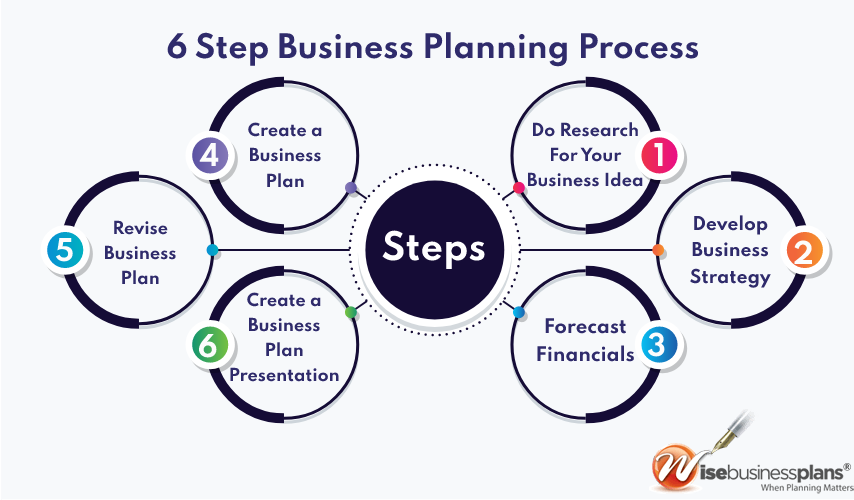
Starting a business in the UK as an expat requires a well-thought-out business plan to set a clear direction for your venture. A comprehensive business plan not only helps you define your goals but also serves as a roadmap for success.
Components of a Comprehensive Business Plan
- Executive Summary: A brief overview of your business, including your mission, vision, and goals.
- Business Description: Detailed information about your business, its structure, and the products or services you offer.
- Market Analysis: Research on the UK market, your competitors, and your target audience.
- Marketing and Sales Strategy: How you plan to promote your business and attract customers.
- Financial Projections: Budget, sales forecast, and profit projections for the coming years.
- Operational Plan: Details on how your business will operate on a day-to-day basis.
- Team and Management: Information about the key players in your business and their roles.
- Risk Assessment: Identification of potential risks and how you plan to mitigate them.
Importance of a Business Plan for Expats
A business plan is crucial for expats starting a business in the UK as it helps them understand the market, set realistic goals, secure funding, and navigate through the complexities of running a business in a new country.
Tips for Tailoring a Business Plan to the UK Market
- Understand the UK market: Conduct thorough market research to identify trends, consumer behavior, and competition in the UK.
- Localize your marketing strategy: Adapt your marketing approach to align with UK consumer preferences and cultural norms.
- Comply with regulations: Familiarize yourself with UK business laws and regulations to ensure your business operates legally.
- Seek local partnerships: Collaborate with UK-based businesses or professionals to gain insights and establish a strong network.
- Stay updated: Keep abreast of market changes, economic trends, and consumer preferences to adjust your business plan accordingly.
Registering Your Business in the UK: How Expats Can Start A Successful Business In The UK: Step-by-Step Guide
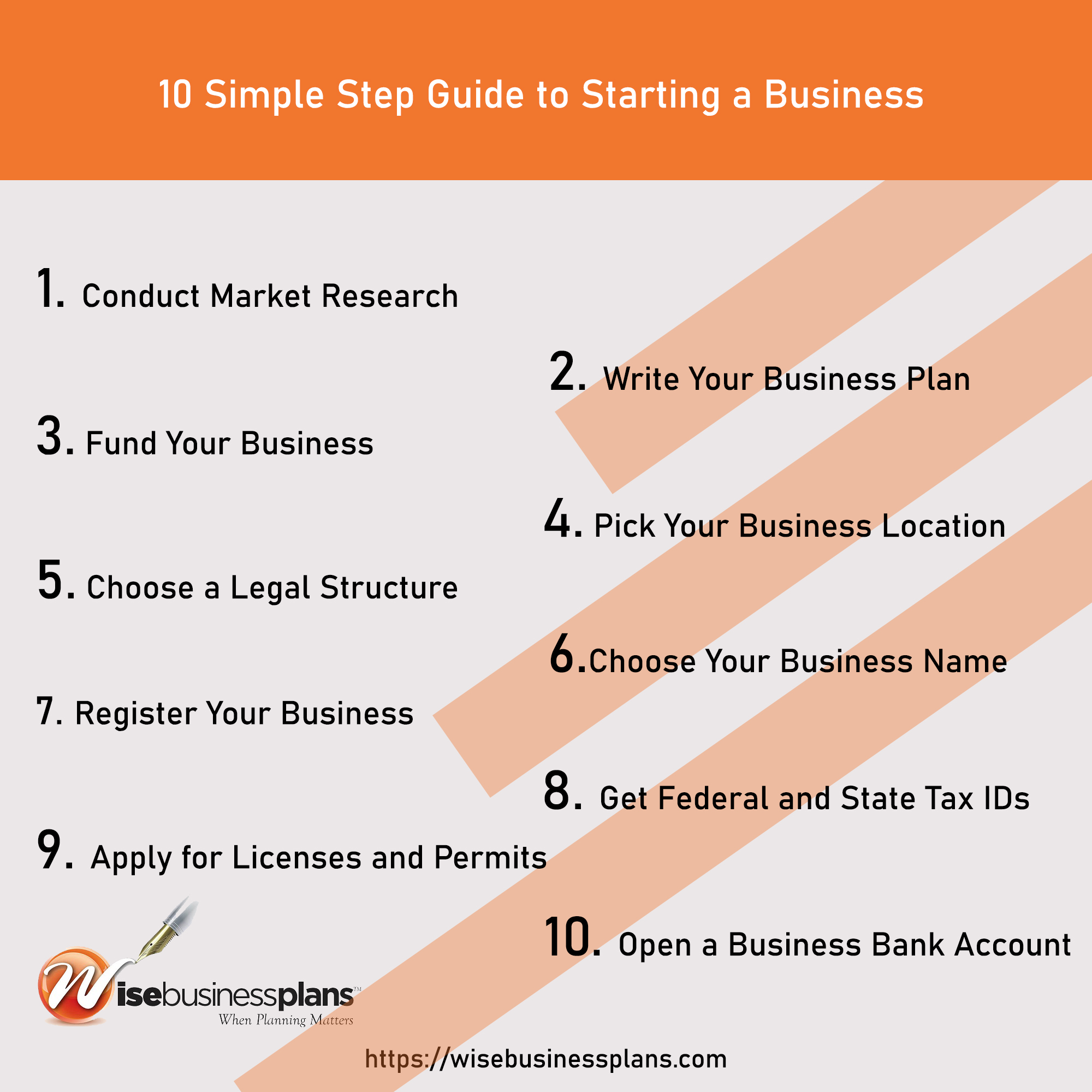
Starting a business in the UK as an expat involves a series of steps to ensure that your venture is legally recognized and compliant with local regulations. Registering your business is a crucial part of this process, as it establishes your company as a legal entity in the country.
Types of Business Registrations
- Choose a business structure: Before registering your business, you need to decide on the most suitable structure, such as a sole trader, partnership, limited liability partnership (LLP), or limited company.
- Register with Companies House: If you decide to set up a limited company, you must register with Companies House, providing details about the company’s directors, shareholders, and registered address.
- Obtain a Unique Taxpayer Reference (UTR): To pay taxes in the UK, you need to register for a UTR with HM Revenue and Customs (HMRC) as a self-employed individual or a company.
Licenses and Permits
- Business licenses: Certain types of businesses, such as restaurants, bars, or childcare services, require specific licenses to operate legally in the UK. Make sure to obtain the necessary permits before launching your business.
- Work permits: As an expat entrepreneur, you may need to secure a work permit or visa to establish and run your business in the UK. Check the immigration rules and requirements to ensure compliance.
Tax Obligations
- Corporate taxes: Limited companies in the UK are subject to corporation tax on their profits. Ensure that you are aware of the tax rates and deadlines for filing corporate tax returns.
- Value Added Tax (VAT): Depending on your business turnover, you may need to register for VAT with HMRC. VAT is a consumption tax that applies to the sale of goods and services in the UK.
- Personal taxes: As an expat entrepreneur, you are responsible for paying income tax on your earnings in the UK. Familiarize yourself with the UK tax system and seek professional advice to optimize your tax position.
Financial Management and Funding
Effective financial management is crucial for expats looking to start a successful business in the UK. It involves handling finances wisely, budgeting carefully, and seeking appropriate funding options to support the business growth.
Managing Finances Effectively
- Keep detailed records of all income and expenses to track the financial health of your business.
- Set a realistic budget and stick to it to avoid overspending.
- Monitor cash flow regularly to ensure there is enough liquidity for day-to-day operations.
- Consider hiring a professional accountant or financial advisor to help with financial planning and decision-making.
Funding Options for Expats
- Self-funding: Using personal savings or assets to finance the business.
- Bank loans: Applying for a business loan from a UK bank or financial institution.
- Angel investors: Seeking funding from wealthy individuals who invest in startups.
- Venture capital: Securing funding from venture capital firms in exchange for equity in the business.
Budgeting and Financial Planning Tips
- Create a detailed business plan with financial projections to estimate funding requirements.
- Regularly review and adjust the budget based on actual financial performance and market conditions.
- Explore cost-saving measures and negotiate better deals with suppliers to improve profitability.
- Diversify revenue streams to reduce dependency on a single source of income.
Marketing Strategies for Expats in the UK
Effective marketing strategies are crucial for expats looking to establish a successful business in the UK. By understanding the local market and consumer behavior, expat entrepreneurs can tailor their marketing efforts to reach their target audience effectively. Leveraging social media and digital marketing tools can also help in expanding brand awareness and driving business growth in the competitive UK market.
Utilizing Social Media for Brand Visibility
- Create engaging content: Develop compelling and relevant content that resonates with your target audience to increase engagement and brand visibility.
- Utilize targeted ads: Use social media advertising tools to target specific demographics and reach potential customers based on their interests and behavior.
- Engage with followers: Interact with your audience through comments, messages, and live sessions to build a loyal community around your brand.
Implementing Digital Marketing Strategies, How Expats Can Start a Successful Business in the UK: Step-by-Step Guide
- optimization: Improve your website’s search engine ranking through techniques to increase organic traffic and visibility.
- Email marketing campaigns: Build a subscriber list and send targeted email campaigns to promote products/services and drive conversions.
- Paid advertising: Invest in paid advertising on platforms like Google Ads and social media to expand reach and generate leads for your business.
Success Stories of Expat Entrepreneurs in the UK
One example is a French expat who started a successful bakery in London by leveraging Instagram to showcase her unique pastries and engage with a local audience.
Another expat entrepreneur from India used Facebook ads to promote his clothing brand to a diverse UK market and achieved significant sales growth.
Conclusion
In conclusion, the path to entrepreneurial success for expats in the UK is paved with strategic planning, market insight, and financial acumen. With this step-by-step guide, expats can confidently embark on their business ventures, armed with the necessary knowledge and tools to thrive in the competitive UK business landscape.
FAQ Section
How important is market research for expats looking to start a business in the UK?
Market research is crucial for expats as it helps them understand the competitive landscape, consumer behavior, and demand for their products or services in the UK market.
What are the different registrations, licenses, and permits required for specific types of businesses in the UK?
The registrations, licenses, and permits vary based on the nature of the business, but commonly include registering with Companies House, obtaining a business license, and complying with industry-specific regulations.
How can expats tailor their business plan to the UK market?
Expats can tailor their business plan by conducting thorough market research, understanding local consumer preferences, complying with UK laws and regulations, and adapting their strategies to suit the competitive landscape.
